Your innovation problem is actually a behavior problem
[This column is written in English]
I have a love-hate relationship with innovation.
I love what it can do. I hate how often we use the word to avoid saying the harder thing: someone, somewhere, needs to change how they work.
I’ve spent many years in meeting rooms filled with cutting-edge innovations, from the absolute best the ad tech industry had to offer. Smart people, impressive platforms, strong ideas, real potential.
That’s why I get suspicious the moment everyone gets excited about innovation.
Not because the excitement is fake. It’s not. The tool looks useful. The dashboard shows something interesting. The AI workflow sounds efficient.
But I’ve watched this movie too many times.
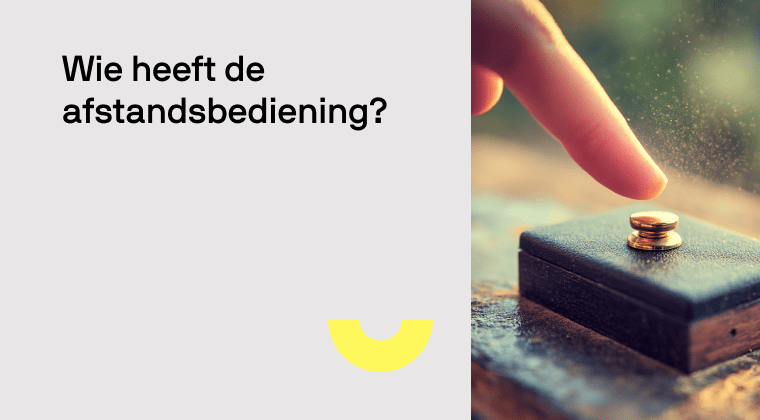
Everyone loves the promise of change. Almost nobody wants the discomfort of changing their own behavior.
And that is the part that gets me. In digital marketing, progress does not happen when the tool goes live. Progress happens when someone stops doing the old thing because the new thing is better.
This is where the industry gets uncomfortable. We want innovation to feel like magic. We want the platform to make us smarter, the dashboard to make us more strategic, the AI workflow to make us more creative, and automation to make us more efficient.
But tools do not replace critical and strategic thinking. That part is still human.
And that is why so much “innovation” goes nowhere. Not because the tools are bad, but because we refuse to change around them.
We say we want automation, then protect manual routines because they make us feel useful. We say we want better measurement, then get nervous when it challenges what we already believed. We say we want growth, yet we keep investing in the safest places and wonder why the ceiling does not move. We say we want better creative, then treat it like a production task instead of a commercial weapon.
This is not just an agency problem. Brands do it too. Platforms do it. Leaders do it. Specialists do it. Everyone wants innovation until it asks them to stop doing something familiar.
That is the real test.
Not whether we adopt the tool. Whether we let it change the way we work.
The future of digital marketing will not be won by the teams with the most tools. Everyone has them.
It will be won by the teams willing to let those tools expose what is slow, safe, political, outdated, or no longer good enough and then take action to change those.
So maybe before we call something innovation, we should ask a more uncomfortable question:
What behavior are we willing to kill because of it?
Zin in nog meer inspiratie?
Schrijf je in voor onze nieuwsbrief en blijf op de hoogte van de laatste trends en inzichten.
Schrijf je in voor onze nieuwsbrief
en wordt die 'ene collega' die alles weet van innovatie en marketing